A Comprehensive Guide to Putting Up and Maintaining Your Pendant Light
Mounting and maintaining a pendant light calls for mindful planning and execution. Correct height dimensions can improve both capability and layout. Crucial tools and a clear setup procedure are vital for an effective setup. Regular upkeep warranties longevity and efficiency. Comprehending these components can change a room. However, understanding where to start may appear intimidating. What actions should one focus on to achieve the very best results?
Comprehending Pendant Light Styles
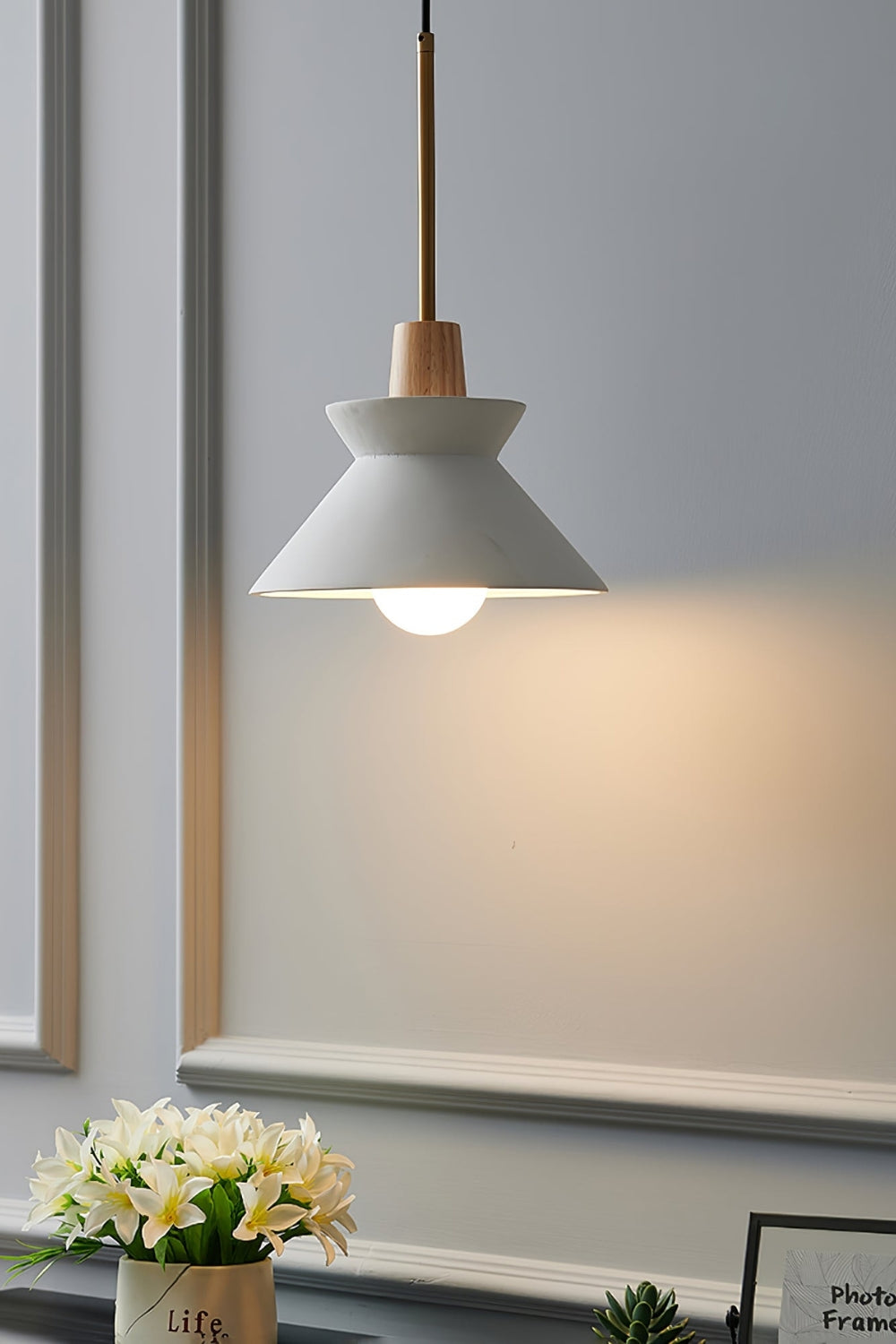
While numerous house owners look for to enhance their areas with pendant illumination, comprehending the different styles offered is necessary for making an enlightened selection. Necklace lights can be found in a plethora of layouts, each offering one-of-a-kind visual and practical benefits. Conventional pendant lights frequently feature classic forms and products, such as glass or metal, giving a classic charm. Contemporary styles, on the other hand, may include vibrant shades and ingenious materials to produce striking prime focus.
Industrial-style pendants frequently utilize resources like subjected bulbs and rustic coatings, suitable for loft spaces and contemporary settings. For an extra wayward touch, vintage-inspired choices stimulate fond memories with complex details and retro coatings. Furthermore, minimalist layouts concentrate on simplicity and tidy lines, attracting those who prefer underrated beauty. Understanding these diverse designs enables property owners to pick pendant lights that not just complements their design but likewise serves their functional lighting requires effectively.
Gauging the Suitable Height for Your Necklace Light
How does one figure out the ideal elevation for a pendant light? To accomplish the most effective functionality and visual appeal, a number of factors need to be considered. Usually, a pendant light should hang 30 to 36 inches above an eating table to guarantee adequate lighting without obstructing views. Precede with high ceilings, the fixture might be positioned somewhat greater to keep symmetry.
For cooking area islands, a height of 28 to 34 inches over the counter top is generally recommended, permitting appropriate light insurance coverage while maintaining an inviting ambience. In living locations, the necklace ought to be hung at a height that enhances the bordering decor and does not produce a danger for people walking under it.
Inevitably, personal preference and room dimensions play considerable duties in figuring out the excellent elevation. Testing various heights before final installation might assist attain the wanted result and functionality.
Devices and Materials Needed for Installation
Effective setup of pendant lights needs a certain set of tools and materials to assure a smooth procedure. Essential tools include a screwdriver, cable pole dancer, and a drill, which assist in safe component accessory and appropriate electrical wiring. A voltage tester is essential for confirming safety by ensuring that power is off prior to starting any type of electrical work.
Along with tools, specific materials are necessary for installment. These consist of the pendant light itself, electrical wiring, wire nuts for safe and secure links, and installing hardware. A ceiling hook might likewise be called for, relying on the component's design.
For included safety and security and comfort, a ladder will aid in reaching high ceilings, while a degree ensures that the light hangs evenly. Preparing these products and devices ahead of time simplifies the setup process, making it extra effective and effective. Proper preparation is important to attaining a successful necklace light setup.
Step-by-Step Installment Process
With the necessary tools and products collected, the setup procedure for pendant lights can start. The power supply should be turned off at the circuit breaker to assure security. Next off, the placing bracket requires to be affixed to the electrical box in the ceiling. After safeguarding it, the electrician's tape need to be used to cover any subjected cables.
Complying with that, the necklace light's wires are linked to the equivalent wires in the ceiling: black to black (or red), white to white, and eco-friendly or copper for ground. Once the connections are made, they should be safeguarded with wire nuts.
The necklace light can then be connected to the installing brace, making certain it hangs at the desired height. The light bulb is inserted, and the power is turned back on at the circuit breaker, enabling the brand-new necklace light to brighten the space.
Preserving and Cleansing Your Necklace Light
What actions should be required to assure the longevity and aesthetic charm of pendant lights? Routine upkeep and cleaning are crucial in preserving their beauty and performance. Dust and dirt can collect on necklace lights, lessening their luster. To cleanse, a soft, lint-free towel or microfiber towel need to be made use of, along with a gentle cleaner ideal for the surface area product - Pendant Light. For glass or crystal necklaces, a glass cleanser can improve clearness without streaks
It is a good idea to shut off the light and enable it to cool down before cleansing. Furthermore, checking the fixture for loose bulbs or links occasionally assures safety and security and optimal efficiency. Changing light bulbs consistently stops strain on electric parts if suitable. Preserving a safe setting by preventing direct exposure to dampness can significantly extend the life of necklace illumination. Following these actions will keep pendant lights looking their ideal while working effectively.
Repairing Common Necklace Light Issues
When pendant lights malfunction, a number of common concerns may arise, consisting of flickering light bulbs, incorrect setup, and voltage fluctuations. Determining the origin cause is important for reliable troubleshooting and making certain peak performance. Dealing with these issues promptly can improve the longevity and performance of necklace illumination components.
Flickering Light Bulbs
Flickering light bulbs can be a source of frustration for house owners, frequently indicating underlying electric issues or basic upkeep demands. This sensation may originate from loose bulb links, where the light bulb is not securely suited the outlet, triggering intermittent call (Pendant Light). In addition, malfunctioning or aging light bulbs may flicker as they near completion of their life expectancy. Another common reason is inconsistent voltage, which can emerge from issues within the electrical system or overwhelming circuits. Homeowners ought to likewise look for harmed wiring, as this can result in flickering and present safety hazards. Routine assessments and prompt substitutes are important to check out this site ensure appropriate performance and to keep a secure home setting. Recognizing the source promptly can prevent further complications
Wrong Installment Concerns
Inappropriate setup of pendant lights can result in a series of issues that might resemble those brought on by flickering light bulbs. Typical issues include loosened circuitry connections, which can disrupt the circulation of power and outcome in periodic lighting. In addition, if the placing bracket is not securely attached, the pendant might hang unevenly, creating an unstable component that can create vibrations or sound. Wrong light bulb kinds or wattage can also add to performance concerns, as inappropriate bulbs might not work efficiently in the component. Inadequate spacing from the ceiling can produce shadows or minimize light distribution, reducing the intended result of the pendant light. Recognizing and attending to these installation errors is important for attaining proper performance and aesthetic charm.
Voltage Fluctuation Issues
Although necklace lights can enhance a room's ambiance, voltage changes can bring about significant efficiency concerns. These variations may trigger flickering lights, lowered brightness, or even early light bulb failure. To identify such issues, one need to first inspect the light component's read what he said compatibility with the voltage supply. Making use of a multimeter can help determine voltage degrees and recognize abnormalities. It might be required to check the electric system for loosened links or damaged wiring if voltage issues persist. Sometimes, getting in touch with a certified electrical contractor is a good idea to assure safety and security and conformity with neighborhood codes. Effectively resolving voltage fluctuations not just enhances the efficiency of necklace lights however likewise prolongs their life-span and enhances total lights quality.
Enhancing Your Area With Necklace Light Positioning
Efficient pendant light placement can significantly improve an area by adhering to perfect height standards, making certain the appropriate lighting level. Layering these lights with other sources can develop a well balanced ambience, highlighting centerpieces within the room. Attaining an unified look requires careful factor to consider of both the fixture's positioning and its partnership with surrounding elements.
Optimal Elevation Guidelines
When contemplating the ideal elevation for pendant lights, a general standard suggests hanging them approximately 30 to 36 inches over a counter top or table surface. This elevation enables maximum illumination while guaranteeing that the light does not block views or create threats. In dining locations, necklace lights should be placed to enhance the eating experience, normally around 28 to 34 inches above the table. For kitchen area islands, keeping harmony across numerous necklaces can produce a cohesive appearance; spacing them evenly and sticking to the recommended elevation enhances performance. It is necessary to consider ceiling height also, as greater ceilings may call for modifications to keep proportionality and aesthetic charm. Correct height placement greatly contributes to the total ambiance of a room.
Layering With Various Other Lights
As pendant lights are incorporated into a more comprehensive lights layout, they can significantly improve the atmosphere of a room. Their convenience allows them to be layered with ambient, job, and accent lights, creating a harmonious equilibrium. As an example, integrating pendant lights with recessed lights can provide general illumination while highlighting details locations. Job lighting, such as under-cabinet lights, can complement pendants in kitchen areas, making certain functionality without sacrificing style. Accent lights, like wall sconces, can additionally improve the atmosphere, accentuating art work or architectural features. By strategically positioning these lights, home owners can achieve depth and dimension, transforming a normal area right into a beautifully illuminated establishing that caters to different activities and moods.
Prime Focus and Balance
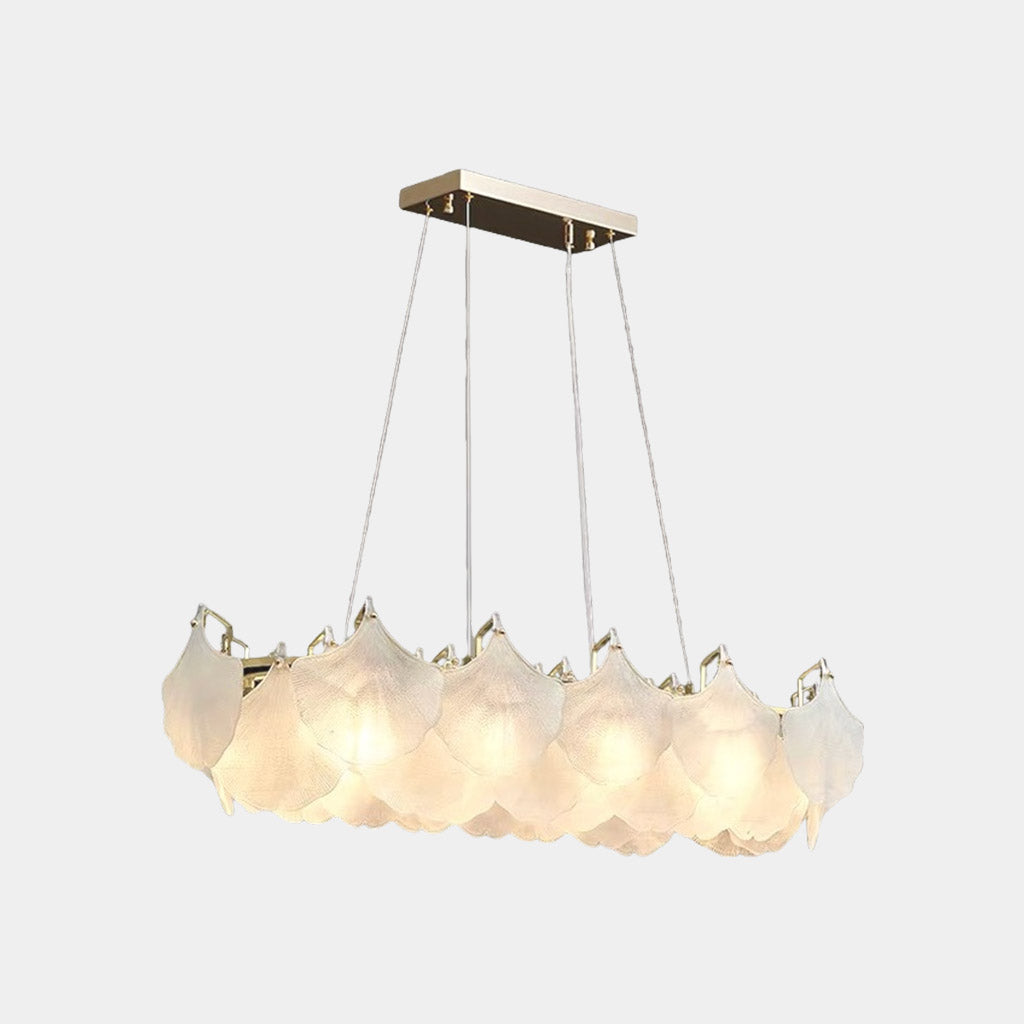
Tactically positioned necklace lights can work as enchanting focal points within a room, attracting the eye and improving the total aesthetic. When selecting pendant lights, it is crucial to think about their form, color, and dimension to ensure they enhance the existing style. For instance, a bold, large pendant can develop a striking centerpiece over a table, while smaller sized fixtures may function better in collections to accomplish a well balanced look. In addition, positioning necklace lights at differing heights can include deepness and visual passion to the space. Preserving equilibrium with various other aspects, such as furnishings and wall surface colors, will make certain that the pendant lights improve the area without overwhelming it. Thoughtful placement changes the setting, creating a harmonious and inviting ambience.
Frequently Asked Concerns
Can I Mount a Necklace Light in a Recessed Ceiling?
The question of whether a pendant light can be set up in a recessed ceiling commonly emerges. Generally, it is possible with proper placing equipment, ensuring proper support and electrical dig this connections for secure and effective setup.
What Sort of Light Bulb Is Finest for Necklace Lighting?
When picking light bulbs for necklace lights, LED alternatives are often preferred due to their energy effectiveness and durability. Furthermore, the color temperature must match the wanted setting, with warm white being a preferred option for relaxing setups.
Are Necklace Lights Safe for Outdoor Use?
Exactly how Do I Choose the Right Necklace Light Electrical Power?
Selecting the right necklace light power level involves assessing the room's dimension, desired illumination, and component compatibility. Usually, lower wattages suit ambient lighting, while greater wattages give job lighting, making certain performance and visual appeal.
Can I Make Use Of a Dimmer Change With My Pendant Light?
The question developed whether a dimmer switch might be utilized with a necklace light. Generally, if the light and bulb are suitable, a dimmer switch can properly enhance setting and control brightness degrees.
When pendant lights breakdown, several usual issues might arise, consisting of flickering light bulbs, incorrect setup, and voltage variations. Improper setup of necklace lights can lead to a range of problems that might resemble those triggered by flickering light bulbs. Poor spacing from the ceiling can create darkness or lower light distribution, reducing the desired effect of the pendant light. Efficient necklace light placement can substantially improve a room by sticking to excellent height standards, ensuring the ideal lighting degree. When selecting bulbs for pendant lights, LED choices are usually preferred due to their energy effectiveness and durability.